
Why Did Lord Krishna Choose to be Arjuna's Charioteer?
Unveiling Divine Strategy: Lord Krishna as Arjuna's Charioteer
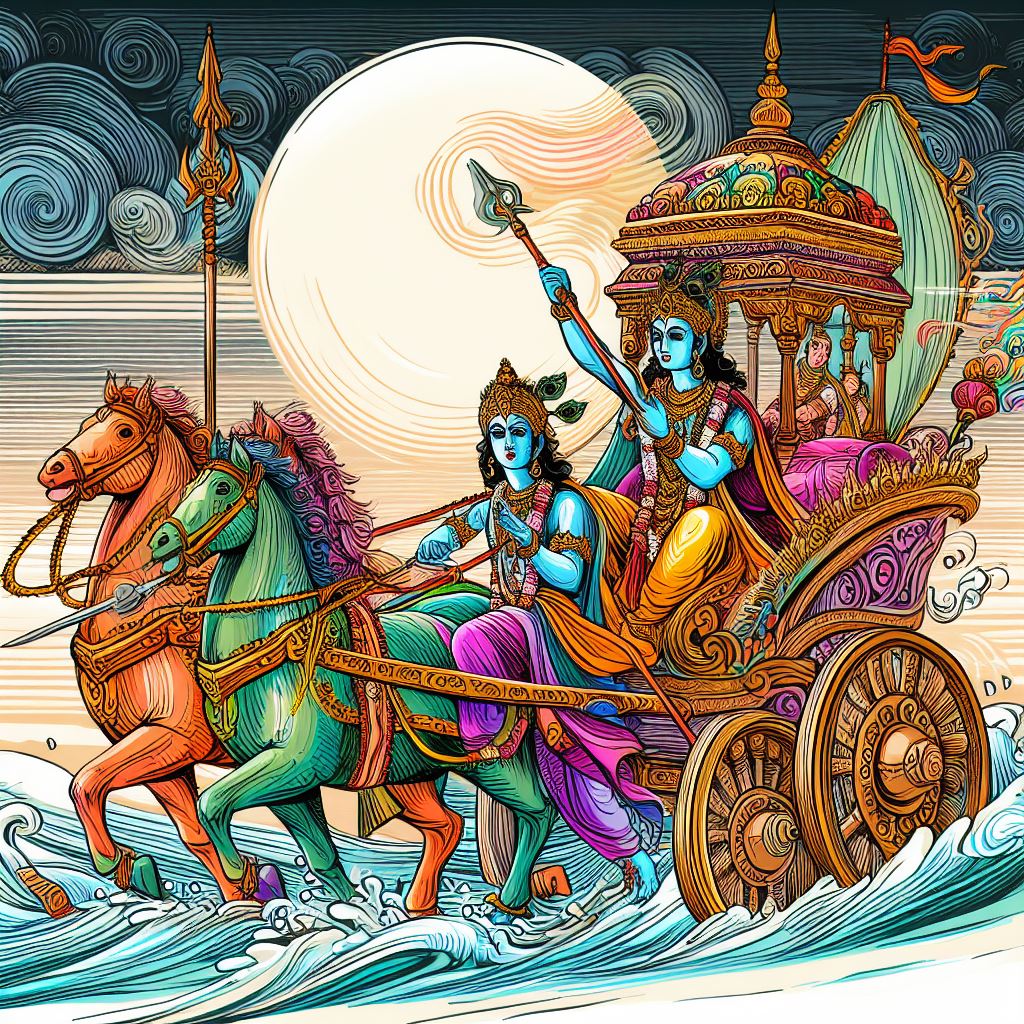
Introduction In the cosmic spectacle of the Mahabharata, one intriguing element stands out — the choice of Lord Krishna, the divine avatar, to become Arjuna's charioteer. This seemingly simple role unfolds into a profound cosmic drama, offering insights into the intricacies of divine intervention, friendship, and the unfolding of destiny. Join me on a journey as we unravel the layers of this divine choice and explore the reasons behind Lord Krishna's decision to stand by Arjuna's side on the battlefield of Kurukshetra.
The Battlefield Dilemma
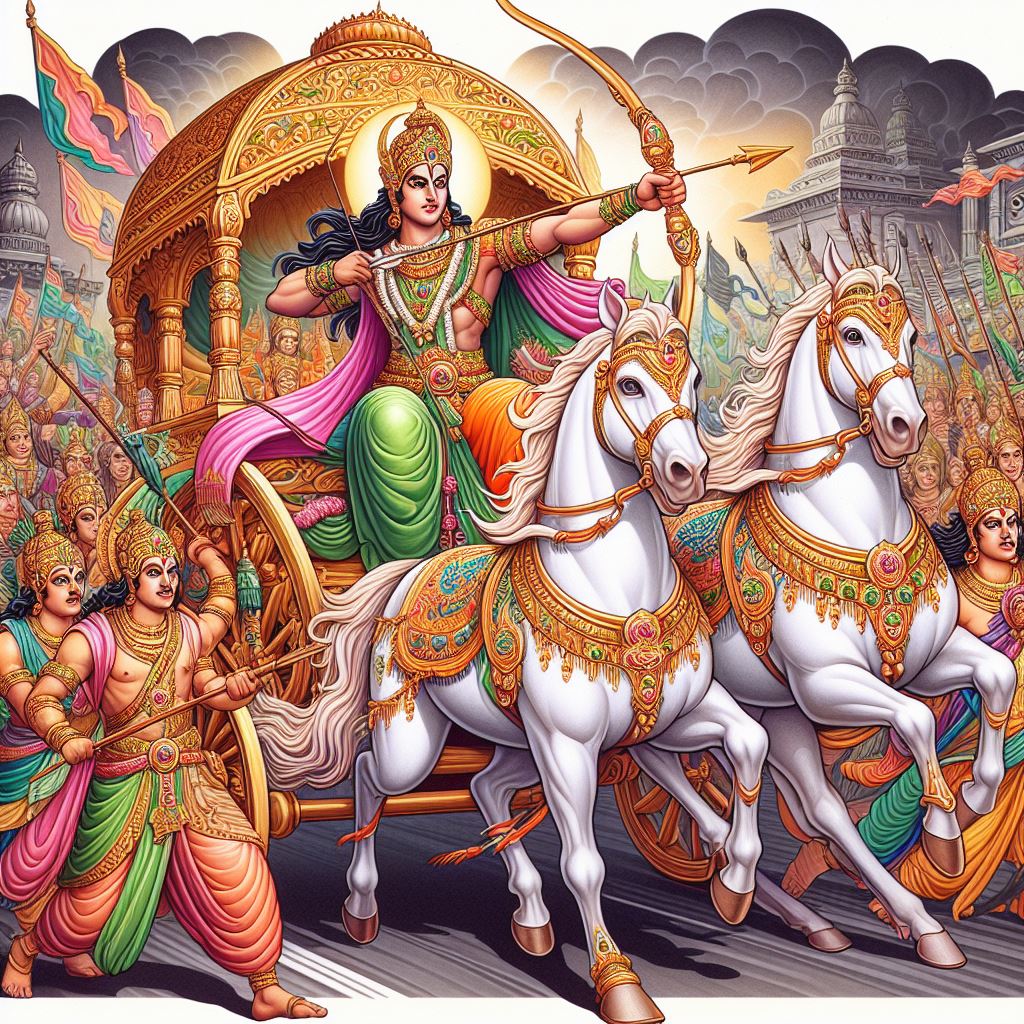
As the Kurukshetra War loomed large, Arjuna, a central figure among the Pandavas, faced a moral and emotional crisis. The prospect of fighting against his own relatives, teachers, and friends left him paralyzed with doubt and sorrow. It was at this crucial juncture that Arjuna turned to his charioteer, Lord Krishna, for guidance.
The Essence of Friendship
At its core core, the relationship between Arjuna and Krishna exemplifies the essence of true friendship. Beyond the divine and mortal realms, their bond is a testament to the depth of understanding, trust, and camaraderie. Lord Krishna, recognizing Arjuna's inner turmoil, not only assumed the role of a charioteer but also became the beacon of wisdom that guided Arjuna through the darkest moments of his life.
The Cosmic Design
1. Divine Intervention
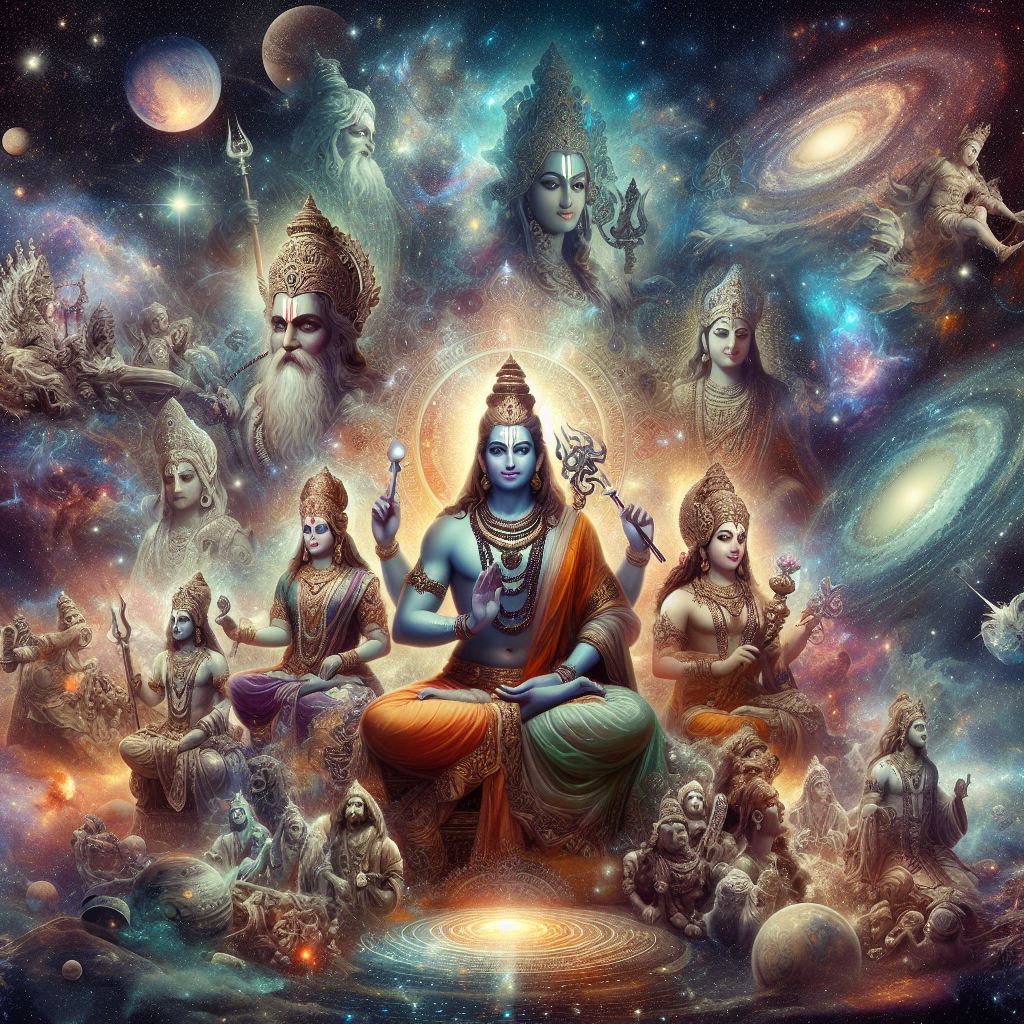
In the grand design of the Mahabharata, Lord Krishna's choice to be Arjuna's charioteer is a manifestation of divine intervention. It symbolizes the cosmic order at play, where the divine descends to guide humanity through its trials and tribulations. Krishna's presence on the battlefield is not a mere coincidence but a deliberate act to steer the course of destiny.
2. The Call of Dharma
Dharma, the righteous path, emerges as a central theme in the Mahabharata. Lord Krishna, being the embodiment of divine righteousness, chooses to align himself with Arjuna, the virtuous warrior seeking to uphold justice. The cosmic design, woven with threads of duty and destiny, unfolds through Krishna's presence as the charioteer.
The Wisdom of Lord Krishna
1. The Bhagavad Gita Discourse
One of the most profound moments in the Mahabharata occurs when Lord Krishna imparts the wisdom of the Bhagavad Gita to Arjuna. This discourse, delivered on the battlefield, addresses Arjuna's moral dilemma and provides insights into the nature of life, duty, and the eternal soul.
2. Guiding Arjuna Through Dilemma
Lord Krishna, through the Bhagavad Gita, guides Arjuna to understand his duty as a warrior and the impermanence of life. The teachings emphasize performing one's duty without attachment to the results, a principle that extends beyond the battlefield to the intricacies of everyday life.
Friendship Beyond Time
The bond between Arjuna and Krishna extends beyond the temporal confines of the Mahabharata. It is a friendship that transcends time, echoing in the hearts of those who seek solace, guidance, and companionship in the journey of life. Krishna's role as a charioteer is not just confined to the battlefield but reverberates as a timeless symbol of divine friendship.
Krishna's Unique Perspective
1. The Omniscient Observer
As Arjuna's charioteer, Lord Krishna assumes the role of an omniscient observer. From his vantage point, he perceives the unfolding drama of the battlefield with a cosmic understanding. This perspective allows him to offer guidance that goes beyond the immediate circumstances, providing Arjuna with a broader view of his path and purpose.
2. Friend, Philosopher, and Guide
Krishna's multifaceted role as a friend, philosopher, and guide becomes evident throughout the Mahabharata. His presence is not limited to steering the chariot; it extends to being a confidant, a source of strength, and a fountain of wisdom. Krishna's unique perspective as a divine being in mortal guise adds layers of depth to his interactions with Arjuna.
The Symbolism of the Charioteer
1. Steering the Course of Destiny
In ancient times, a chariot symbolized not just a mode of transportation but also the journey of life. The charioteer, in this context, played a pivotal role in steering the course of destiny. Lord Krishna, by choosing to be Arjuna's charioteer, assumes the responsibility of guiding not just the physical chariot but also the trajectory of Arjuna's life.
2. The Metaphor of Control
The chariot serves as a metaphor for the human body and mind. Lord Krishna, as the charioteer, signifies the divine force that controls and directs the chariot. This symbolism extends to the larger theme of self-control and surrender to a higher purpose, reflecting the spiritual journey of aligning individual will with divine will.
Lessons for Humanity
As we reflect on Lord Krishna's choice to be Arjuna's charioteer, several timeless lessons emerge for humanity:
1. The Power of Divine Friendship
The bond between Arjuna and Krishna teaches us about the transformative power of divine friendship. In times of despair, having a guiding force that transcends the mundane aspects of life can provide solace, strength, and direction.
2. Navigating Moral Dilemmas
The Mahabharata, through the Krishna-Arjuna dialogue, imparts wisdom on navigating moral dilemmas. The teachings of the Bhagavad Gita emphasize the importance of understanding one's duty and aligning actions with righteousness, even in the face of adversity.
3. The Interplay of Fate and Free Will
Lord Krishna's role as a charioteer reflects the delicate interplay of fate and free will. While destiny unfolds according to cosmic design, individuals retain the power to make choices. This nuanced understanding encourages a harmonious integration of surrender and self-effort in navigating life's journey.
Conclusion
In the cosmic dance of destiny and duty, the choice of Lord Krishna to become Arjuna's charioteer in the Mahabharata echoes as a timeless tale of divine friendship and guidance. Beyond the physical act of steering a chariot, this divine role unfolds into a cosmic drama that addresses the intricacies of duty, morality, and the eternal bond between the mortal and the divine.
As we traverse the battlefield of our own lives, facing moral dilemmas and seeking guidance, the Mahabharata invites us to ponder the significance of having a divine charioteer. Lord Krishna's presence serves as a beacon of wisdom, illuminating the path of righteousness and inspiring humanity to face life's challenges with courage, clarity, and unwavering faith in the divine order. In the divine charioteer's choice lies a timeless lesson — that true friendship, whether mortal or divine, has the power to transform the course of destiny and illuminate the darkest corners of the human heart.

Author
Chaitanya Chaturvedi
Founder and editor of NewsSanskriti, building a living digital home for Sanskriti, stories, Panchang, Jyotish and thoughtful audio essays.
Reader actions
पढ़ें, साझा करें, अपनी बात जोड़ें
Offline reading
Save this page on this device for offline reading in the NewsSanskriti PWA.

Comments
Reader reflections
Be the first approved reflection on this post.