
What Are the Different Paths of Yoga Mentioned in Vedas?
Exploring the Paths of Yoga in the Vedas: A Journey to Inner Harmony
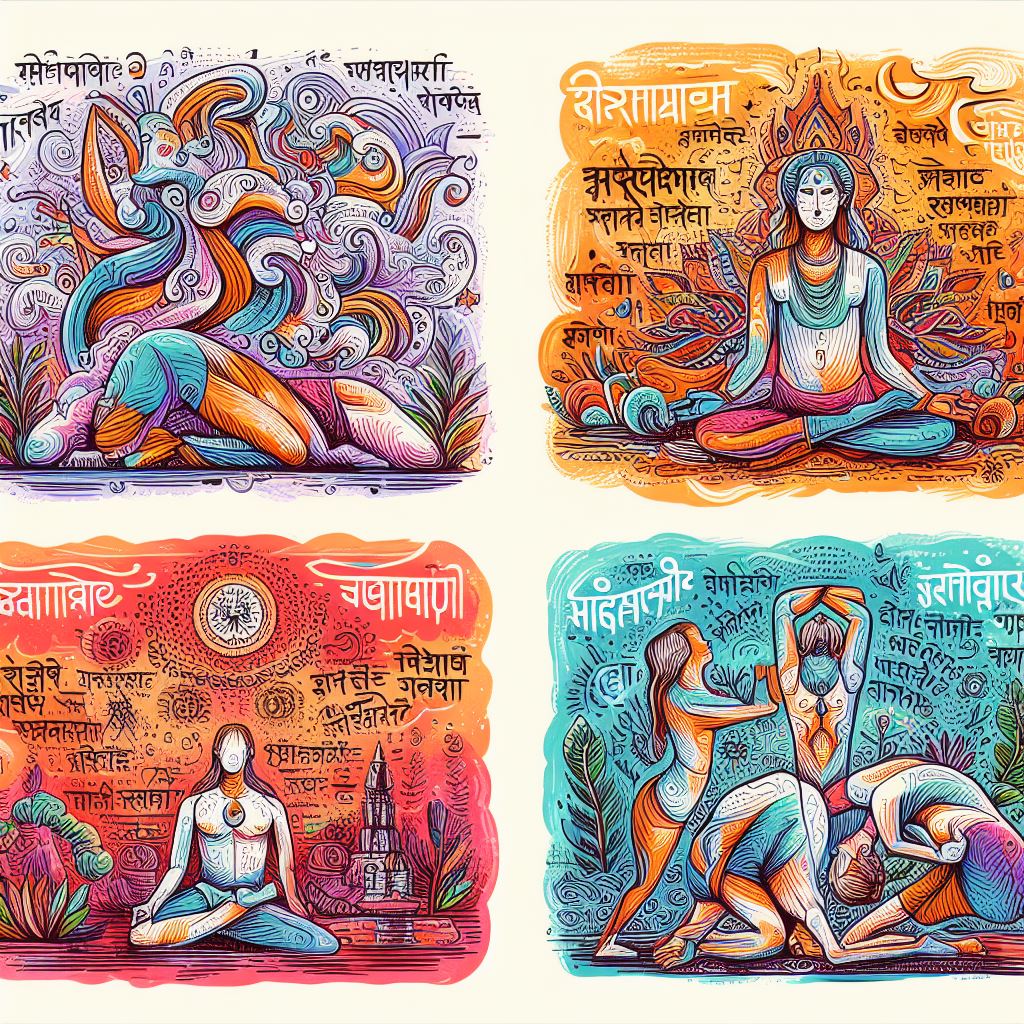
Introduction The Vedas, ancient scriptures that form the foundation of Hindu philosophy, delve into the profound aspects of life, spirituality, and self-realization. Among the treasures hidden within the Vedas, the paths of yoga stand out as guiding lights on the journey to inner harmony. In this exploration, we'll unravel the simplicity and depth of the different paths of yoga mentioned in the Vedas, inviting you on a journey of self-discovery.
Yoga: More Than Just Poses
Before diving into the specifics, let's clear the air around the term "yoga." It's more than just striking impressive poses on a mat. In the Vedas, yoga encompasses a holistic approach to life, aiming to harmonize the mind, body, and soul. It's a path toward self-realization and a union with the divine, offering various avenues for seekers to traverse.
The Four Paths of Yoga
1. Karma Yoga: The Path of Selfless Action
In the Vedas, Karma Yoga is like a compass for those who believe in the power of actions. It emphasizes performing one's duties selflessly, without attachment to the fruits of the labor. The essence lies in dedicating actions to a higher purpose, contributing to the welfare of society, and maintaining a sense of equanimity in success or failure.
In practical terms, it encourages individuals to act responsibly in their roles, whether as parents, professionals, or citizens. The idea is to perform actions with a pure heart, devoid of selfish desires, thereby cultivating a sense of detachment from the outcomes.
2. Bhakti Yoga: The Path of Devotion
Bhakti Yoga, the path of devotion, is like a gentle stream that nourishes the roots of spirituality. In the Vedas, it emphasizes cultivating a deep and loving connection with the divine. This can be achieved through prayers, rituals, and a sincere, heartfelt devotion to a chosen deity or the universal cosmic energy.
It's a reminder that there are myriad ways to express devotion. Whether through singing hymns, participating in rituals, or simply surrendering to a higher power, Bhakti Yoga encourages an open and loving heart as the gateway to spiritual growth.
3. Jnana Yoga: The Path of Knowledge
Jnana Yoga, often considered the intellectual highway to self-realization, is the path of knowledge. In the Vedas, it encourages seekers to explore the nature of reality, the self, and the universe. This involves deep contemplation, introspection, and the pursuit of wisdom through study and reflection.
The Vedas propose that understanding the true nature of existence leads to liberation. Jnana Yoga invites individuals to question, inquire, and seek knowledge beyond the superficial layers of reality. It's a journey into the profound, where the mind becomes the torchbearer on the path to self-discovery.
4. Raja Yoga: The Path of Meditation
Raja Yoga, the royal path of meditation, is like a serene lake that reflects the depths of the soul. In the Vedas, this path involves practices that lead to the control and stilling of the mind. Through meditation, concentration, and breath control, practitioners aim to attain a state of inner tranquility and self-realization.
The Vedas guide seekers to turn inward, quiet the mental chatter, and explore the vast realms of consciousness. Raja Yoga teaches that by mastering the mind, one can experience a direct connection with the divine and uncover the limitless potential within.
Finding Harmony in Diversity
While these paths may seem distinct, the Vedas propose that they are not mutually exclusive. In fact, they complement each other, offering a diverse toolkit for seekers based on their inclinations and temperaments. A person may start with Karma Yoga, progress to Bhakti Yoga, delve into Jnana Yoga, and find the culmination in Raja Yoga.
This interconnectedness mirrors the diversity within humanity. The Vedas recognize that individuals are unique, and their paths to self-realization may differ. The key lies in finding a harmonious balance among these paths, aligning them with one's nature, and progressing steadily on the journey toward inner awakening.
Practical Applications in Daily Life
Understanding the paths of yoga in the Vedas isn't just an intellectual exercise; it's a practical guide for daily living. Imagine starting your day with selfless actions, infusing your tasks with a sense of devotion, seeking knowledge in every experience, and finding moments of stillness through meditation. This holistic approach can transform ordinary routines into a sacred journey.
1. In the Workplace: Karma Yoga in Action
Applying Karma Yoga at work involves performing tasks diligently, focusing on the process rather than fixating on results, and contributing to a positive work environment. By embracing a selfless attitude, one can create a ripple effect of harmony and productivity.
2. At Home: Bhakti Yoga in Family Life
In family life, Bhakti Yoga can manifest through love, respect, and devotion to family members. Engaging in shared rituals, expressing gratitude, and fostering a nurturing environment at home align with the principles of devotion and love.
3. Intellectual Pursuits: Jnana Yoga Unveiled
In intellectual pursuits, the principles of Jnana Yoga can guide individuals to question assumptions, seek deeper meanings, and cultivate wisdom. Engaging in continuous learning, contemplating the mysteries of existence, and embracing a curious mindset align with the path of knowledge.
4. Moments of Stillness: Raja Yoga in Everyday Life
Finally, moments of stillness and meditation, even in the midst of a bustling day, bring Raja Yoga into practicality. Taking a few minutes to breathe, clear the mind, and connect with inner peace can significantly enhance overall well-being.
Conclusion
As we unravel the paths of yoga in the Vedas, we discover a roadmap to inner harmony that is both profound and accessible. Karma Yoga invites us to act selflessly, Bhakti Yoga encourages devotion and love, Jnana Yoga unfolds the path of knowledge, and Raja Yoga leads us into the tranquility of meditation.
In our journey through daily life, these paths offer a compass, helping us navigate challenges and discover the deeper dimensions of existence. Whether in the workplace, at home, or in moments of introspection, the wisdom embedded in the Vedas invites us to embrace a holistic approach to life—one that nurtures the mind, honors the spirit, and fosters a harmonious connection with the universe.

Author
Chaitanya Chaturvedi
Founder and editor of NewsSanskriti, building a living digital home for Sanskriti, stories, Panchang, Jyotish and thoughtful audio essays.
Reader actions
पढ़ें, साझा करें, अपनी बात जोड़ें
Offline reading
Save this page on this device for offline reading in the NewsSanskriti PWA.



Comments
Reader reflections
Be the first approved reflection on this post.