
How Did the Mahabharata War End and What Followed?
The Epic Conclusion: How the Mahabharata War Ended and What Followed
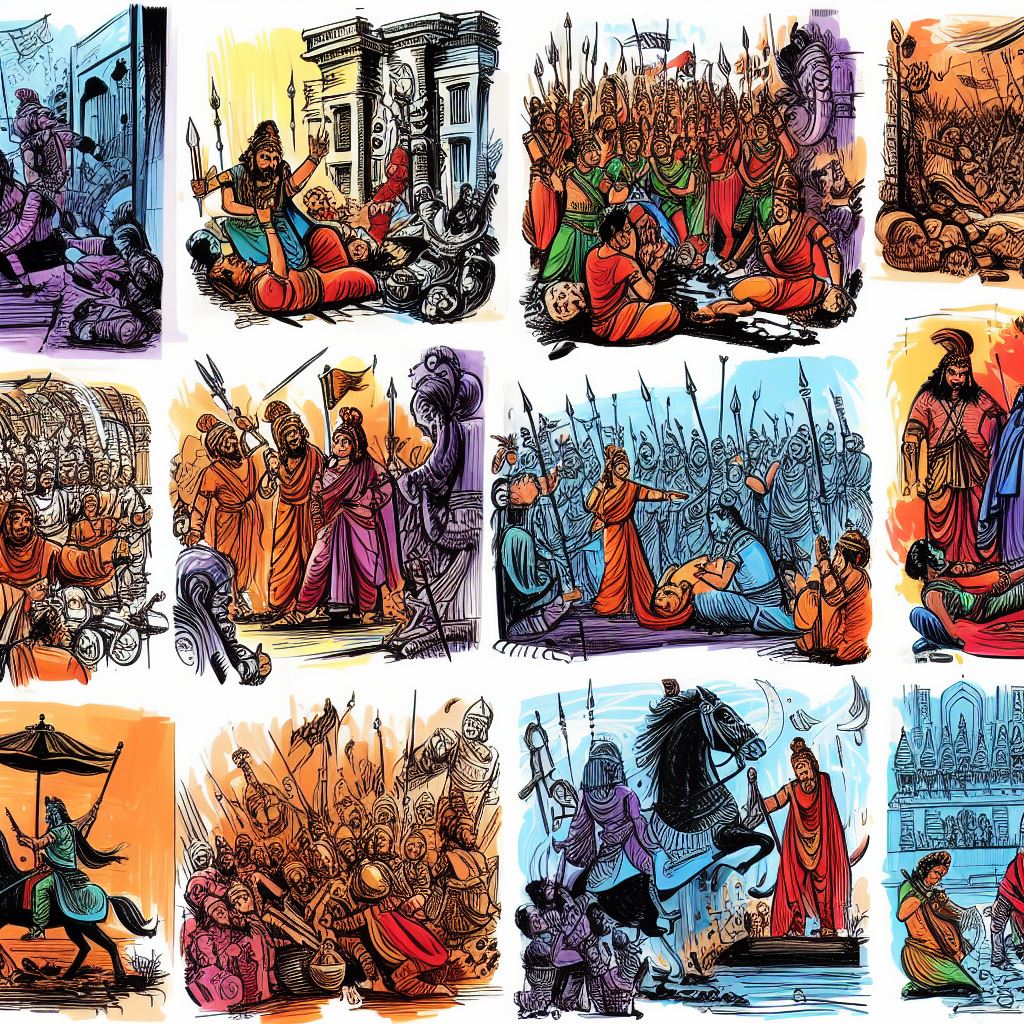
Introduction The Mahabharata, a tale of honor, duty, and epic battles, concludes with a gripping and dramatic war. In this blog post, we'll delve into the final chapters of this ancient epic to explore how the Mahabharata War came to an end and the events that unfolded in its aftermath.
The Climax of Battle
As the battlefield of Kurukshetra witnessed fierce clashes between the Pandavas and the Kauravas, the war took a toll on both sides. The great warriors laid down their weapons, exhausted and wounded. Amidst this chaos, Arjuna, the valiant Pandava prince, faced a moral dilemma. He hesitated to fight against his own kith and kin.
Bhagavad Gita Revisited
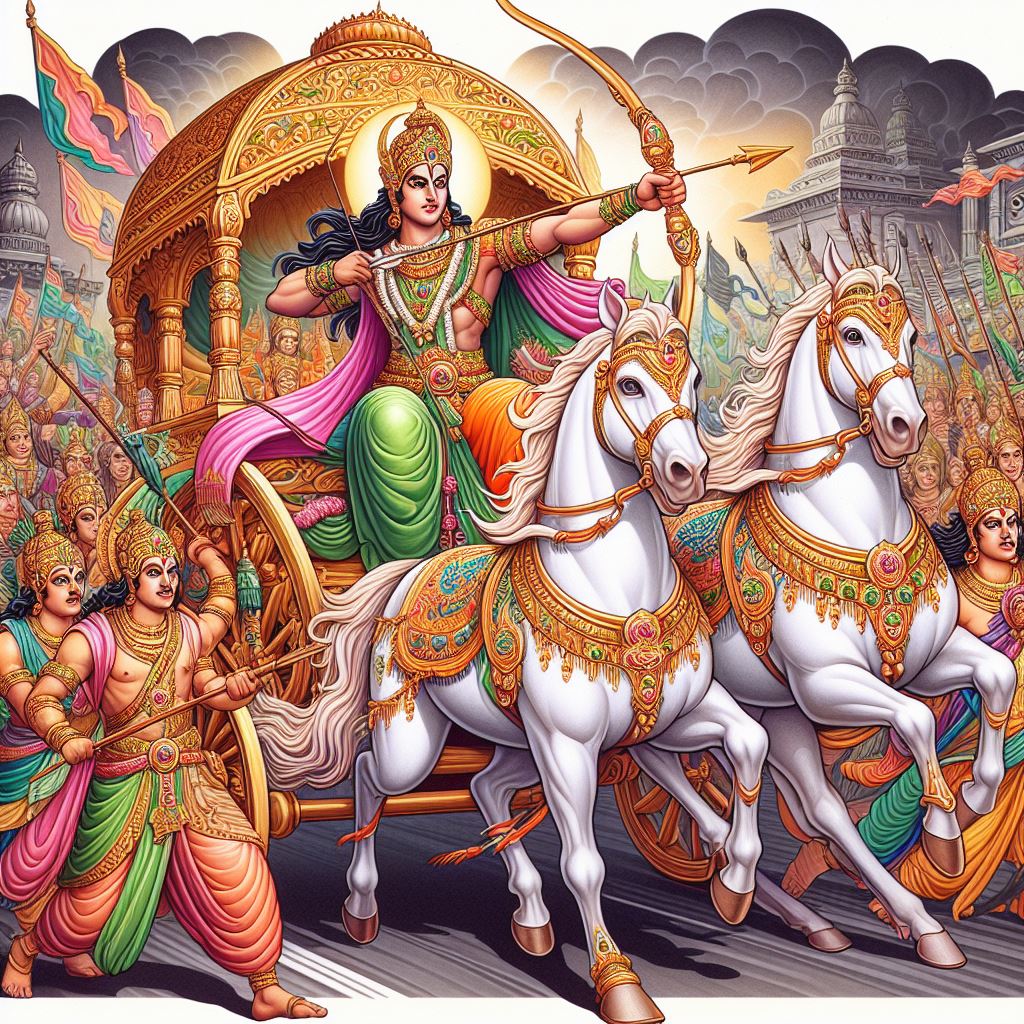
It was at this critical juncture that Lord Krishna, serving as Arjuna's charioteer, delivered the profound teachings of the Bhagavad Gita. The discourse covered duty, righteousness, and the nature of existence. Inspired by Krishna's wisdom, Arjuna found the strength to fulfill his duty as a warrior and resume the battle.
The Fall of Dronacharya
The turning point of the war came with the fall of Dronacharya, the venerable teacher of both Pandavas and Kauravas. Dronacharya, torn between his love for his son Ashwatthama and his duty, was eventually deceived by a false rumor of his son's death. In grief and disbelief, he laid down his weapons, leading to his defeat by the Pandava forces.
The Chakravyuha and Abhimanyu's Tragic End
The Kauravas, recognizing Abhimanyu's prowess, devised a formidable military formation known as the Chakravyuha. Abhimanyu, despite his valor, found himself trapped within it. Alone and surrounded, he fought valiantly until he was unfairly overwhelmed and met a tragic end. This event fueled the Pandavas' determination to avenge their young warrior's death.
The Fall of Bhishma
Bhishma Pitamah, the grand patriarch of the Kuru dynasty, fought on the side of the Kauravas. Blessed with the power to choose the time of his death, Bhishma remained a formidable opponent. Ultimately, realizing that the war was taking a toll on both sides, he chose to relinquish his life's thread, bringing a temporary halt to the conflict.
Karna's Noble Sacrifice
Karna, the noble-hearted warrior and friend of Duryodhana, faced various challenges throughout the war. In a tragic twist of fate, he was denied his rightful place as a warrior due to societal biases. Despite these hardships, Karna fought valiantly until the final days of the war when he met his end, torn between loyalty and justice.
The Role of Divine Intervention
Throughout the Mahabharata War, divine interventions played a pivotal role. Lord Krishna, with his divine guidance, supported the Pandavas. His intervention in critical moments, such as lifting the chariot wheel to protect Bhima, showcased the transcendent aspect of the epic.
The End of Duryodhana
The war reached its climax with the final showdown between Bhima and Duryodhana. In a fierce mace battle, Bhima, fueled by years of injustice, delivered a powerful blow to Duryodhana's thighs, a breach of the agreed-upon rules of war. In his dying moments, Duryodhana displayed resilience and pride, earning both respect and sympathy.
Aftermath of the War
The conclusion of the Mahabharata War marked the beginning of a new era. Yudhishthira, the eldest Pandava, was crowned as the king. However, the victory came at a great cost, with the loss of numerous lives, including many revered warriors. The Pandavas, burdened by grief and remorse, embarked on a journey of penance to cleanse themselves of the sins committed during the war.
The Departure of Lord Krishna
As the Pandavas ruled over Hastinapura, Lord Krishna concluded his earthly sojourn. His departure marked the end of the Dvapara Yuga and the beginning of the Kali Yuga, the current age according to Hindu cosmology. The Mahabharata, with its profound teachings and timeless stories, continues to be a guiding light for generations.
Conclusion
The Mahabharata War, with its intricate narrative and moral complexities, concludes with a blend of triumph and tragedy. The epic not only provides a vivid account of ancient warfare but also imparts timeless wisdom through the words of Lord Krishna. As we reflect on the events that unfolded during and after the war, the Mahabharata remains a reservoir of lessons that transcend time and resonate with the intricacies of human existence.

Author
Chaitanya Chaturvedi
Founder and editor of NewsSanskriti, building a living digital home for Sanskriti, stories, Panchang, Jyotish and thoughtful audio essays.
Reader actions
पढ़ें, साझा करें, अपनी बात जोड़ें
Offline reading
Save this page on this device for offline reading in the NewsSanskriti PWA.

Comments
Reader reflections
Be the first approved reflection on this post.