
Brief strory of the Mahabharata
Unraveling the Epic: A Brief Story of the Mahabharata
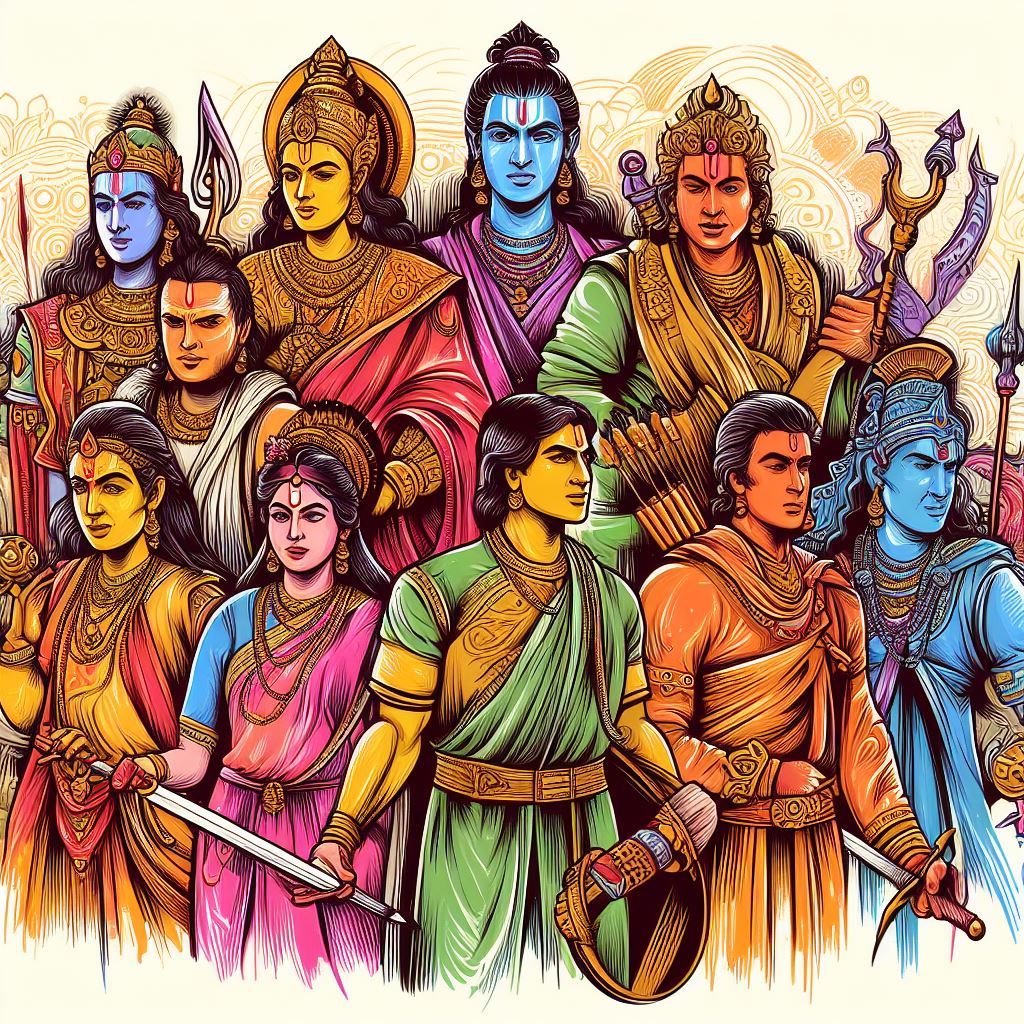
Introduction The Mahabharata, one of the most captivating epics in the world, weaves a tapestry of ancient tales filled with valor, wisdom, and profound lessons. Let's embark on a journey through this epic saga, where gods and mortals intertwine, and the echoes of righteousness resonate through the ages.
The Birth of a Saga
In the land of Bharat, King Shantanu fell in love with Ganga, a river goddess. They had a son named Devavrata, later known as Bhishma. The twists of fate began here, setting the stage for the grand narrative.
The Great Vow of Bhishma
Bhishma took a vow of celibacy, sacrificing personal happiness for the well-being of his father's kingdom. This noble sacrifice earned him respect but also set in motion a chain of events that would shape the destiny of the Bharata dynasty.
Draupadi's Swayamvara
The story pivots to Draupadi's swayamvara, a grand ceremony where she would choose her groom. Arjuna, the skilled archer from the Pandavas, won her hand. Little did they know that this joyful event would sow seeds of rivalry and conflict.
The Game of Dice
Ambition and jealousy took center stage when the Kauravas, led by the cunning Duryodhana, challenged the Pandavas to a game of dice. The Pandavas, unaware of the deceitful intentions, faced humiliation and were banished to exile for thirteen years.
The Lessons of Exile
During their exile, the Pandavas faced numerous trials and tribulations. Arjuna, on the advice of Lord Krishna, sought divine weapons and knowledge, preparing for the impending war.
The Kurukshetra War
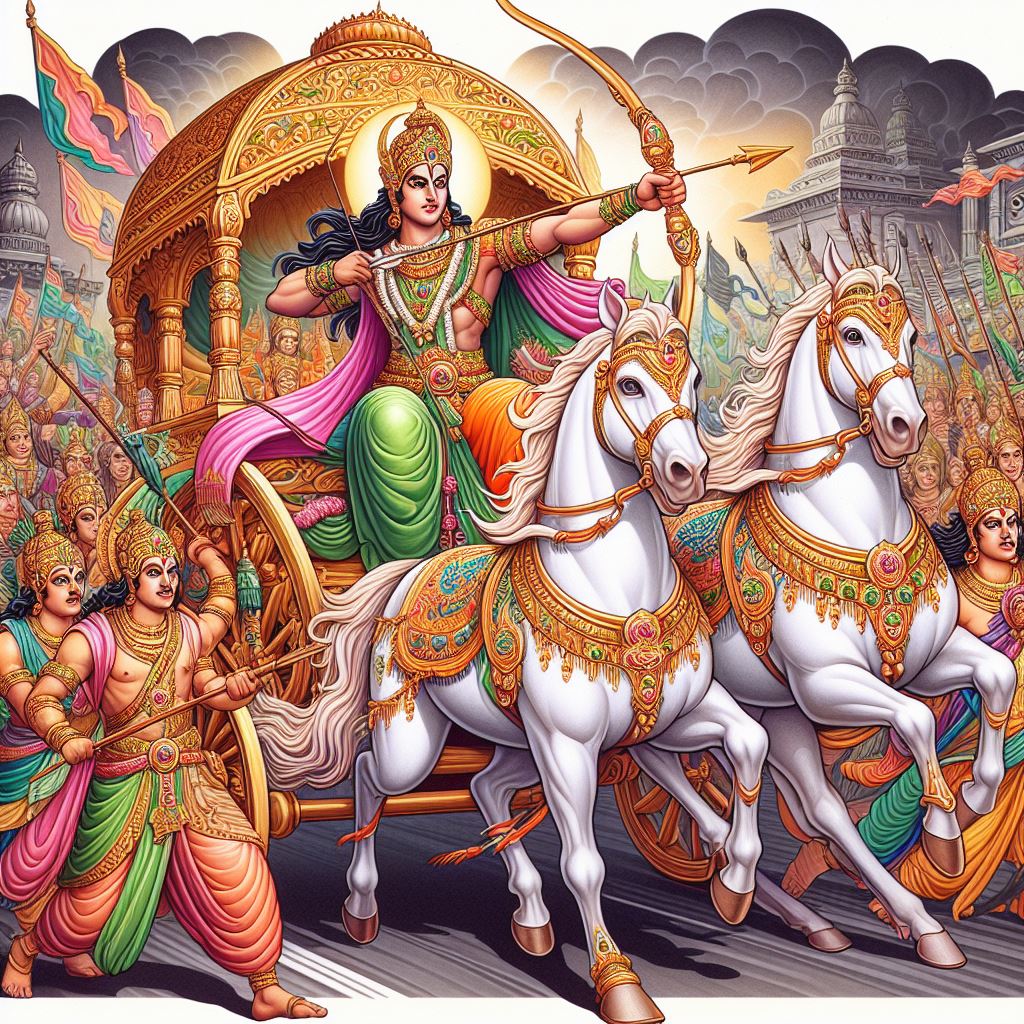
The epic culmination unfolded on the battlefield of Kurukshetra. The righteous Pandavas, with Lord Krishna as their charioteer, faced their kith and kin in a war of dharma. The Bhagavad Gita, a sacred discourse, emerged here, imparting profound wisdom to Arjuna.
The Triumph of Righteousness
The war concluded with the victory of the Pandavas, but it came at a great cost. The Kauravas were defeated, and Bhishma, Dronacharya, and many others perished. The Mahabharata concludes with Yudhishthira, the eldest Pandava, ascending the throne and the divine voice praising the triumph of righteousness.
Lessons from the Mahabharata
The Mahabharata isn't just a tale of kings and warriors; it's a reservoir of timeless lessons:
1. Dharma: The Guiding Light
The concept of dharma, righteous duty, is woven into every thread of the Mahabharata. It teaches us to uphold principles even in the face of adversity.
2. The Complexity of Relationships
The epic explores the complexity of relationships — loyalty, love, jealousy, and forgiveness. It reflects the nuances of human emotions and the consequences of our actions on those we hold dear.
3. The Power of Wisdom
The Bhagavad Gita, a gem within the Mahabharata, imparts timeless wisdom. It encourages us to act with integrity, without attachment to the results of our actions.
4. Triumph of Good Over Evil
Ultimately, the Mahabharata is a celebration of the triumph of good over evil. It underscores the importance of standing up for what is right, even when faced with seemingly insurmountable challenges.
Conclusion
The Mahabharata isn't just a story; it's a reservoir of wisdom that continues to guide and inspire. As we traverse our own life's journey, the echoes of this ancient epic remind us of the timeless principles that can light our path — the principles of dharma, love, and the eternal victory of righteousness.

Author
Chaitanya Chaturvedi
Founder and editor of NewsSanskriti, building a living digital home for Sanskriti, stories, Panchang, Jyotish and thoughtful audio essays.
Reader actions
पढ़ें, साझा करें, अपनी बात जोड़ें
Offline reading
Save this page on this device for offline reading in the NewsSanskriti PWA.


Comments
Reader reflections
Be the first approved reflection on this post.